Inside the pipeline, from a walk with a scanner to a photoreal twin
Capture is the easy part to demonstrate. What happens between a handheld scan and a twin you can trust is where most of the engineering actually lives.
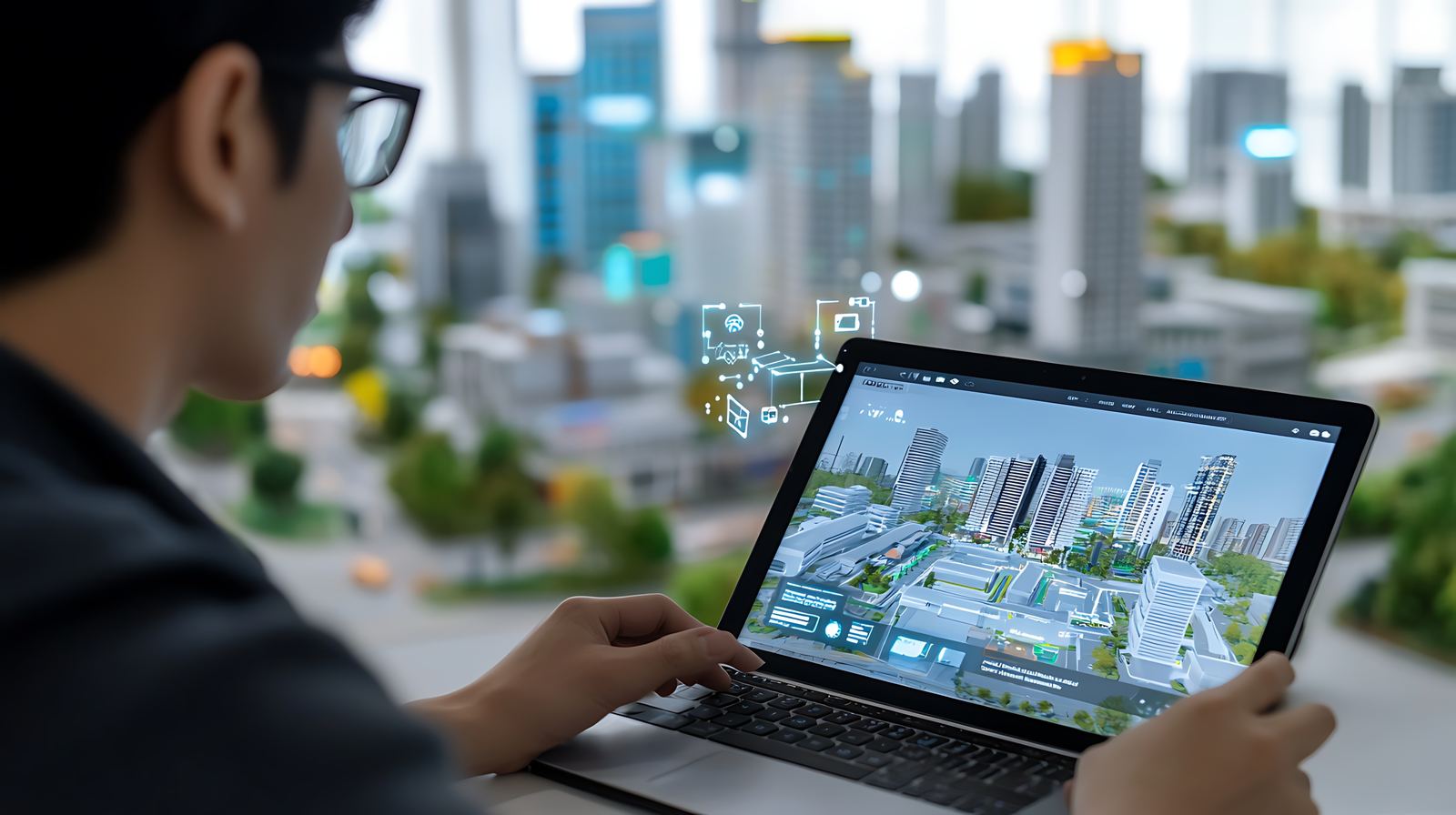
The part of our process that photographs well is a person walking through a building with a handheld scanner. It takes minutes per room and looks almost too simple to be the basis of a compliance record. The part that is not visible in the demo is everything that happens to that raw capture before it becomes a twin anyone can trust, and that is worth explaining properly.
Capture: minutes, not days
We capture with a handheld 3D scanning unit that records imagery and spatial data as an operator walks a normal route through the space, at a normal pace. There is no need to close the building, clear a room of furniture, or set up fixed scan stations the way older laser scanning workflows required. A typical floor takes well under an hour. Our pipeline is integrated with a single capture stack today, and architected to take on additional capture sources as the platform scales.
Six steps between a walk and a usable model
The raw capture then goes through reconstruction, a six stage process: feature extraction, pairwise matching, rigid alignment, global optimisation, merge and level of detail generation, and a manual correction step where an operator resolves anything the automated stages could not. That last stage matters more than it sounds. Automated reconstruction is very good, not perfect, and a large building captured over multiple visits will always have a handful of joins that benefit from a human eye before the twin is published.
Only once that process is complete does a capture become a splat twin a client can rely on for measurement, detection and compliance evidence, not before.
Why we do not skip the correction step: a twin that looks convincing but has an unresolved stitching error in a corridor is worse than an honest gap, because it invites confidence in a measurement that is wrong. We would rather a review flag an area as pending than publish it early.
What the finished twin is built from, and why that representation beats a traditional point cloud, is covered in the previous post. Read it here. Next in this series, we look at where AI detection fits once the twin exists. Continue reading.
See a capture in progress
We can talk you through timings and logistics for a capture on your own site, including how we handle occupied buildings and out of hours access.
Talk to us about a pilot